

Thank you for taking the time to get in touch with us !
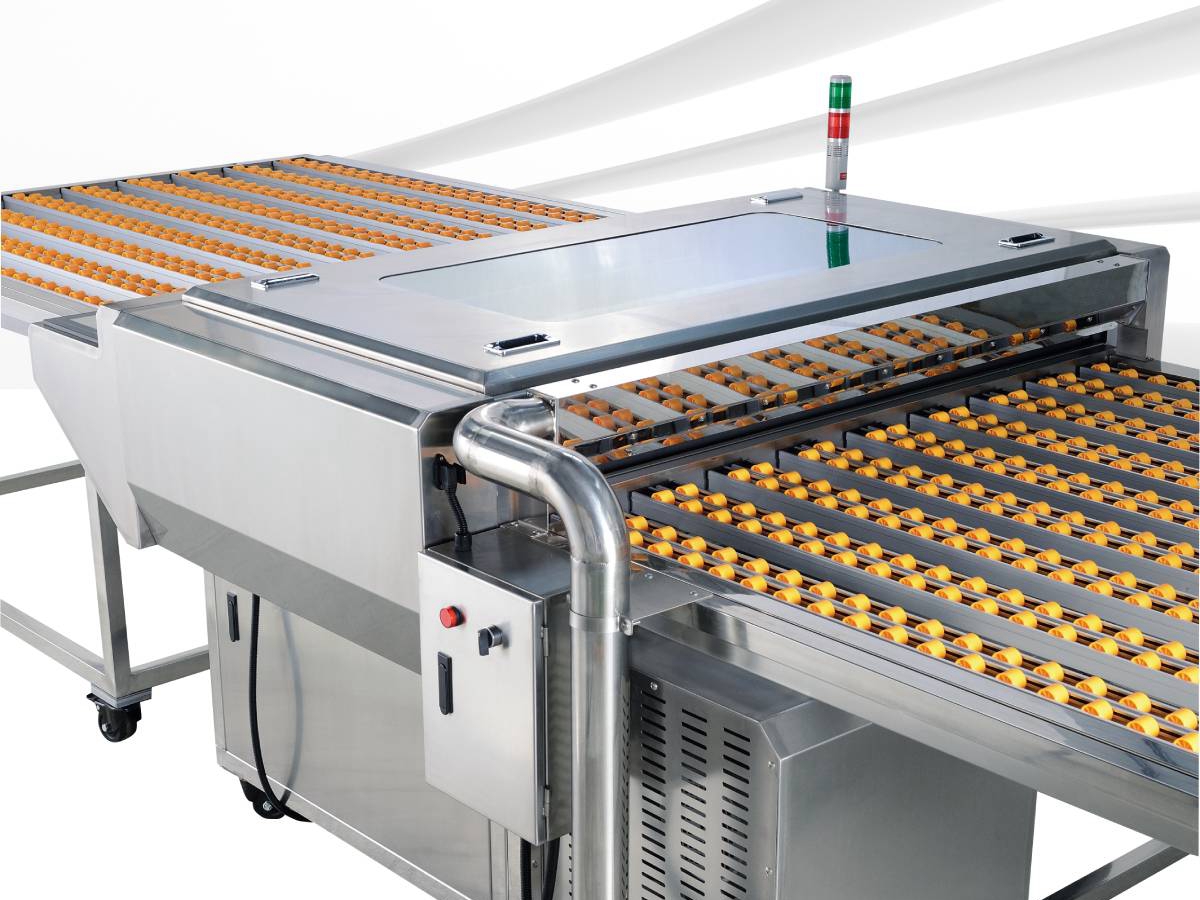
FPC Flexo Plate Cleaner
The FPC line (marketed as PHOTOCLEAN) is a fully automatic flexo plate washing system that replaces manual plate cleaning after printing. Plates are loaded at the inlet and conveyed horizontally through washing, rinsing, and drying stages in a continuous, non-stop cycle. The process leaves plates clean and dry, ready for storage, within a few minutes and without manual scrubbing.
Automatic Plate Washing System
Benefits of the Automatic Plate Washing System
- Significantly Reduces Water Consumption and Wastewater
- Fast Cleaning and Drying
- Fast Yet Gentle Cleaning Process
- Safe, Clean, and Dry Working Environment
- Simple and Automated Operation
- Minimal Labor, Maximum Efficiency
Traditional manual plate cleaning has several drawbacks
-

Large volumes of wastewater generated with each wash
-
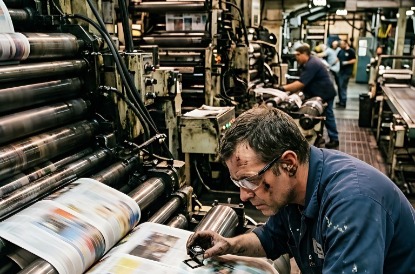
Heavy labor requirement, time-consuming and low efficienc
-
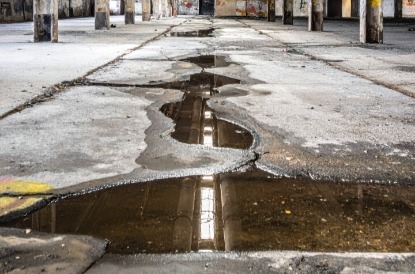
Wet floors and long plate-drying times
-

Risk of plate wear or damage from manual handling
-

Inconsistent, hard-to-control cleaning quality
How It Works
The plate moves through 4 stages on the roller tables
- Load:The plate is placed onto the entry roller table. The system automatically starts and stops the cleaning cycle once loaded.
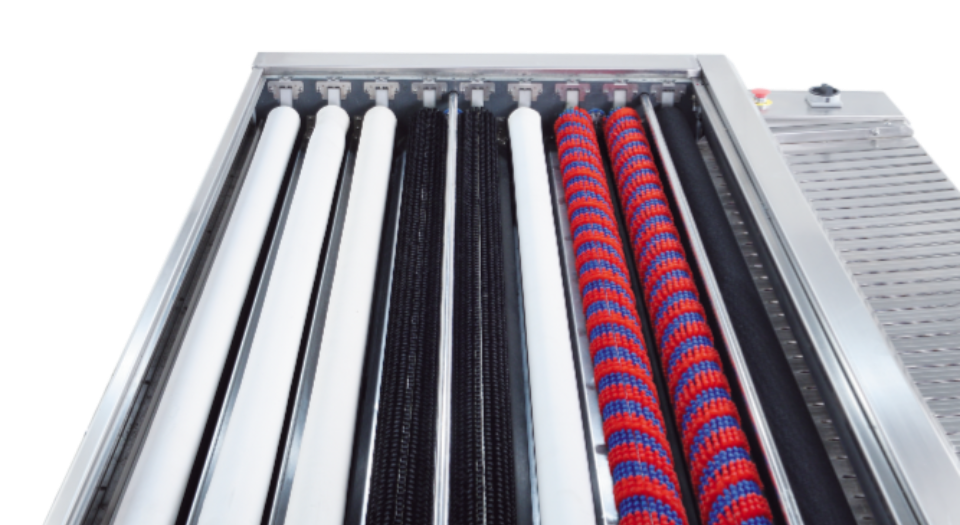
- Wash:Nylon spiral brush rollers and sponge rollers clean the plate in heated, recirculated wash water with detergent.
- Rinse:A separate closed-loop rinse tank removes residue before the plate moves on to drying.
- Dry:A stainless steel air-knife system dries the plate so it is ready for immediate storage.
Hardware & Features
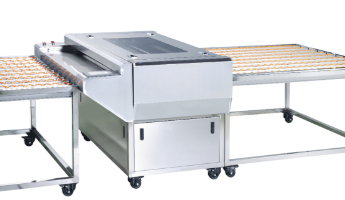
| SUS304 stainless steel | Frame, tanks, and air knife are all SUS304 for corrosion resistance and long service life. |
| PLC, HMI & inverter control | A DELTA control system governs brush speed, conveying speed, and cycle timing from one touch panel. |
| Brush and sponge rollers | Two pairs of nylon spiral brush rollers plus sponge squeegee and absorption rollers handle washing and residue removal. |
| Closed-loop water tanks | Separate wash and rinse tanks recirculate water through two pumps; the wash tank is preheated for more effective cleaning. |
| Automatic dosing & water refresh | Cleaning agent is dosed automatically, and wash water refreshes on a set schedule (recommended under 3 refreshes per cycle count). |
| Usage logging | Daily and monthly records of wash cycles, water usage, and cleaning-agent usage, viewable on the HMI. |
Specifications
| FPC-1300 | FPC-1700 | |
| Plate processing width | 300 – 1,300 mm | 300 – 1,650 mm |
| Plate processing length | 400 mm and up | 400 mm and up |
| Power supply | 380V / 25A / 3-phase | 380V / 32A / 3-phase |
| Machine footprint (approx.) | ~ 1,280–1,760 × 1,200–1,760 mm | ~ 1,575–2,160 × 1,290 mm |
| Height | 1,000 mm | 1,000 mm |
| Roller tables | Front + back, stainless steel | Front + back, stainless steel |
Note: The source presentations and CAD drawings give slightly different length/width figures for the machine body and roller tables across documents. This is likely due to inconsistent labeling or different drawing revisions rather than an actual specification change, and should be confirmed against the current revision before use in customer-facing documents.
Benefits
-
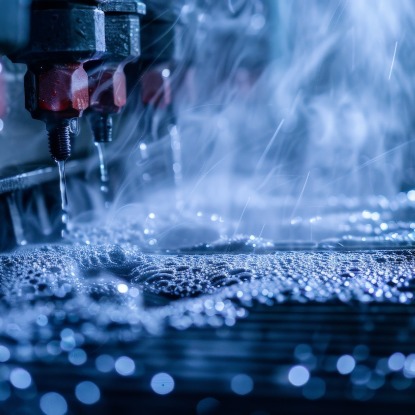
Wastewater reduction of up to 90%, by recirculating wash and rinse water
-

Immediate reduction in wastewater treatment cost
-
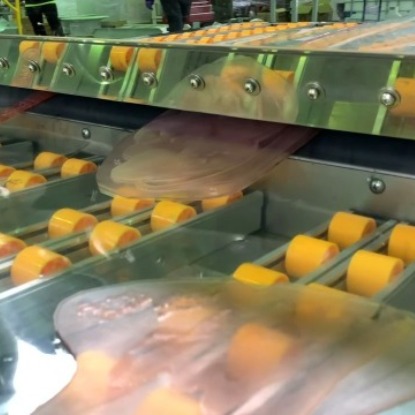
Shorter plate washing and drying time — plates can go straight to storage
-
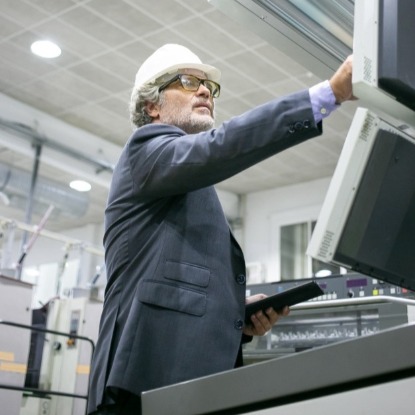
Minimum labor requirement with a consistent, repeatable cleaning process
-
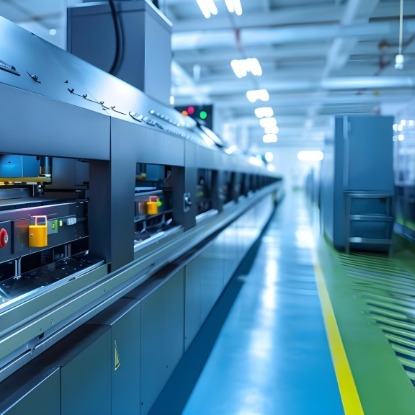
Clean, dry, and safe working environment
-
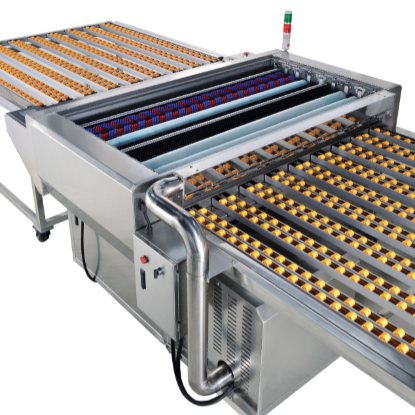
Long equipment lifetime from premium materials (SUS304) and control components